Sustainability in the European aquaculture industry
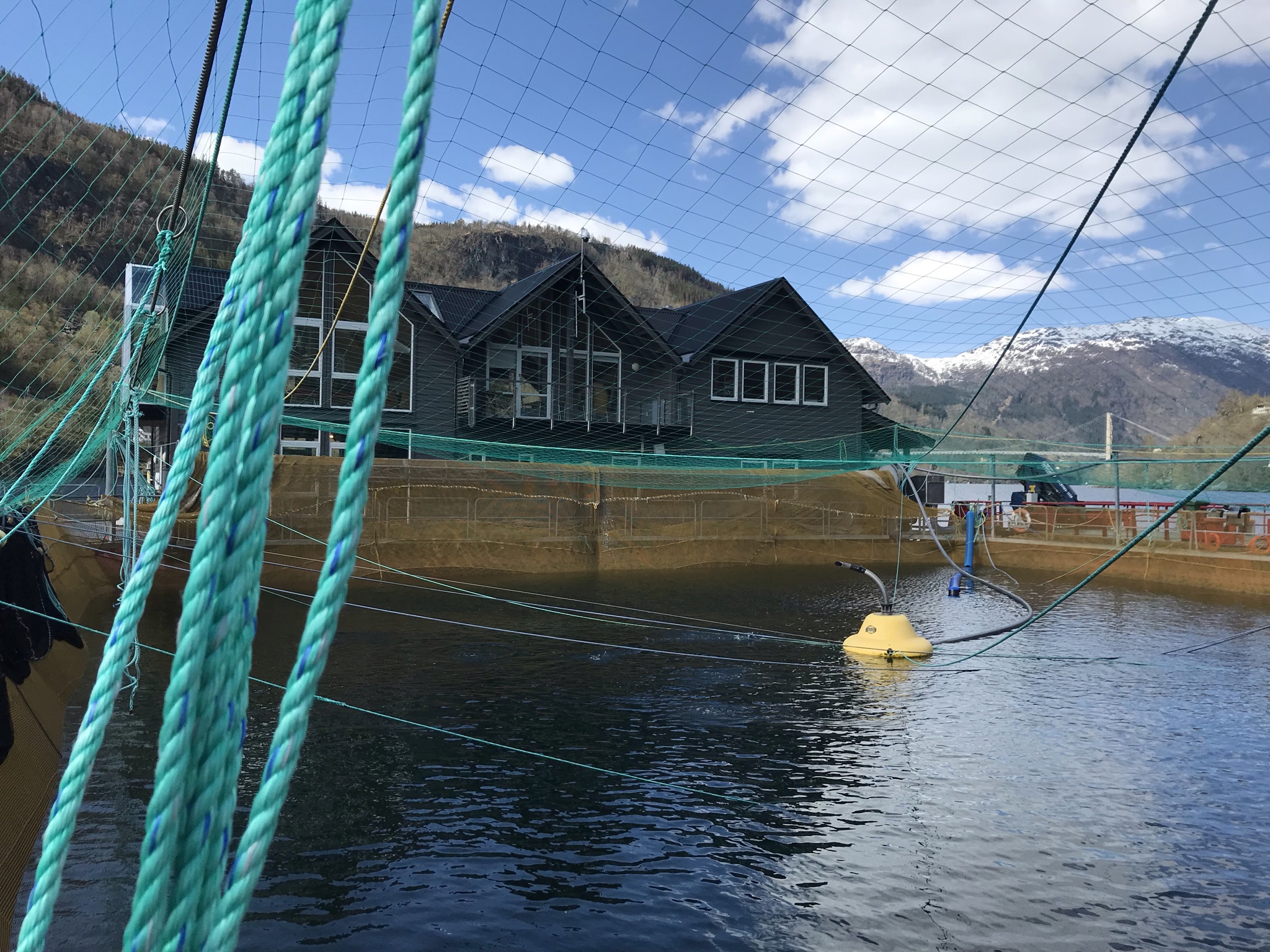
Increasing demand for blue foods requires more insight into how the European aquaculture industry can grow in a sustainable way
The industry has recently been confronted with several environmental and ethical issues and been criticized for limited contribution to society
To strengthen its legitimacy and social licence to operate, the industry needs to reduce its negative environmental impact and increase its positive societal impact
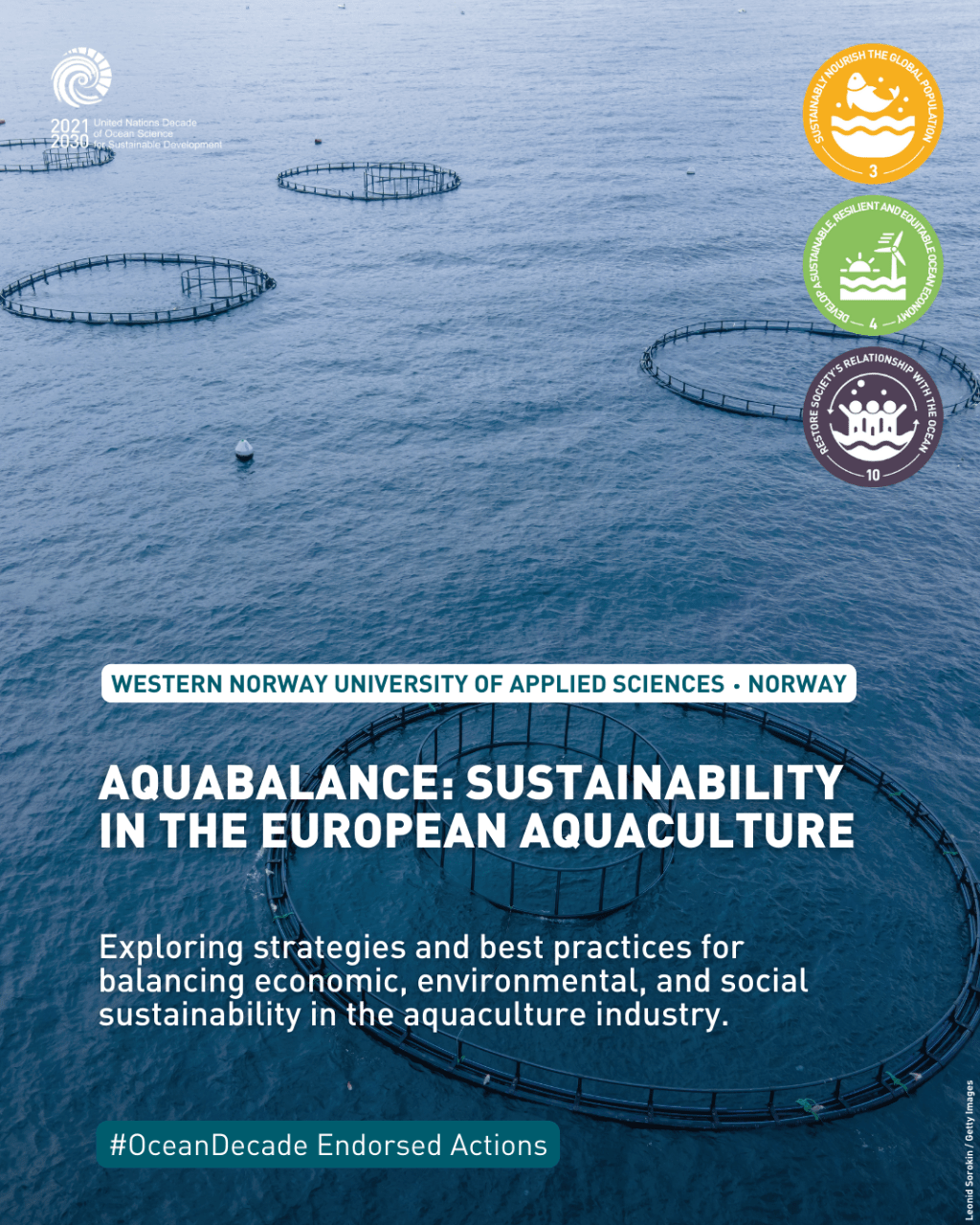
AQUABALANCE aims at balancing economic, environmental, and social sustainability in the European aquaculture industry
SCIENTIFIC OBJECTIVES
- Identify barriers and drivers for ongoing transition processes
- Investigate rebalancing the economic, environmental, and social dimensions
- Explore the role of policy for these transition processes
- Provide recommendations to develop sustainable business models
- Develop an assessment method for economic viability and environmental effects of new technological solutions
- Assess upscaling pathways for new food solutions for a reduced carbon footprint
- Provide knowledge on market perspectives and consumer preferences and deliver toolkits to communicate industry’s sustainability
- Co-create with stakeholders policy recommendations addressing relevant EU and international policies
Research Questions
RQ1
What are the main drivers and challenges for developing sustainable aquaculture industry in different European regions?
RQ2
Which technological and industrial transformations are underway in the aquaculture industry, and which development pathways can be anticipated onwards?
RQ3
What are the trade-offs between the economic, environmental, and social dimensions in the aquaculture industry?
RQ4
How can policy regulations facilitate a better balance between the economic, environmental, and social dimensions in the aquaculture industry?
 AQUAbalance